

Last June, I built an AI scheduling tool that you can “cc” on an email. It’s like your secretary: it knows the availabilities in your calendar, negotiates a time with the other person, and books the meeting for you.
Nothing to install. Just cc our email and “agent Cal” takes care of everything.
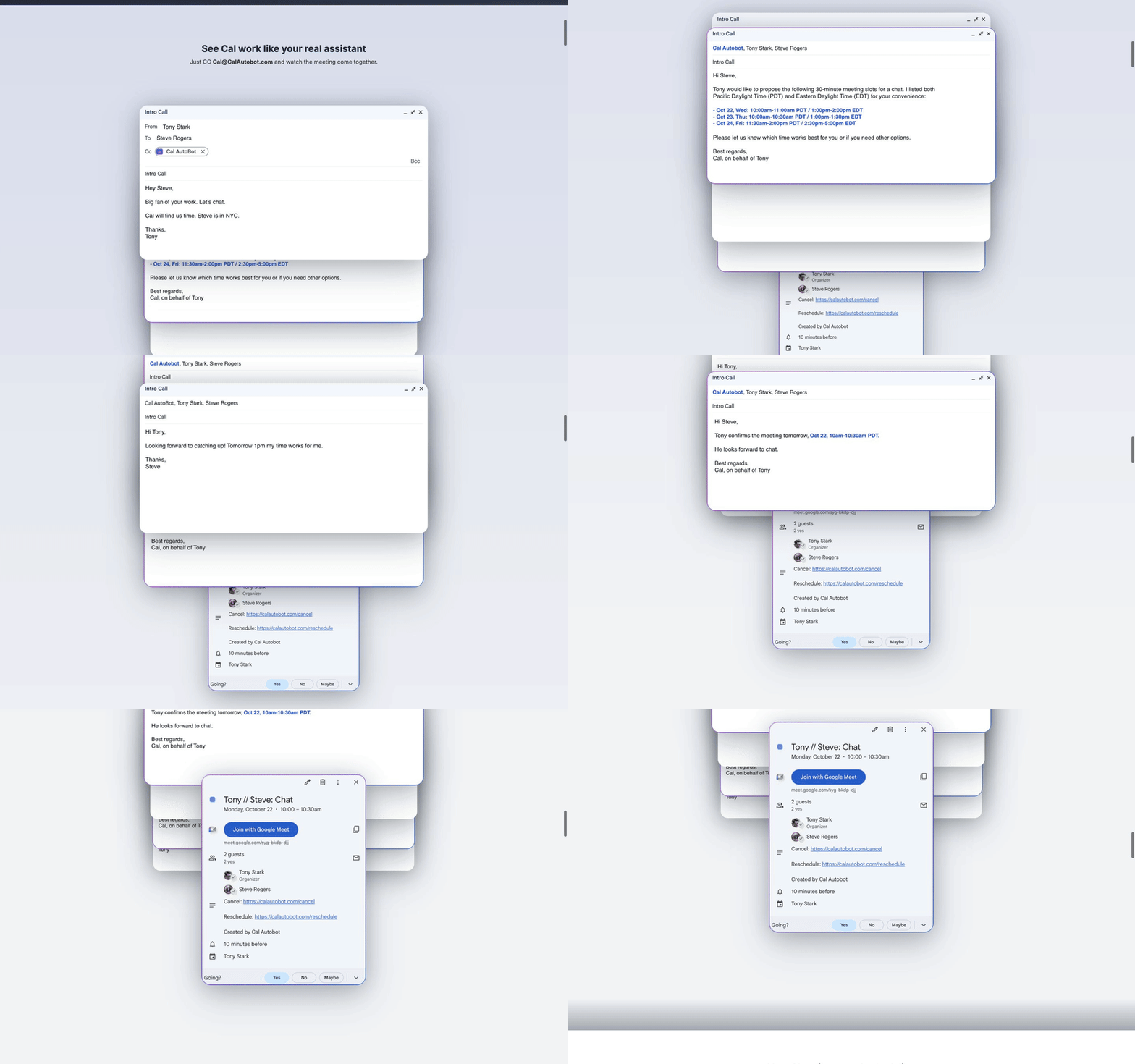
Coding agents weren’t nearly as good back then, but as a builder, it still wasn’t that hard to build a full-stack SaaS app that automagically reads incoming email context and uses LLMs to figure out what to do next.
If you read the article I wrote back then, you’ll know there are actually a lot of complexities beyond just having agents generate code.
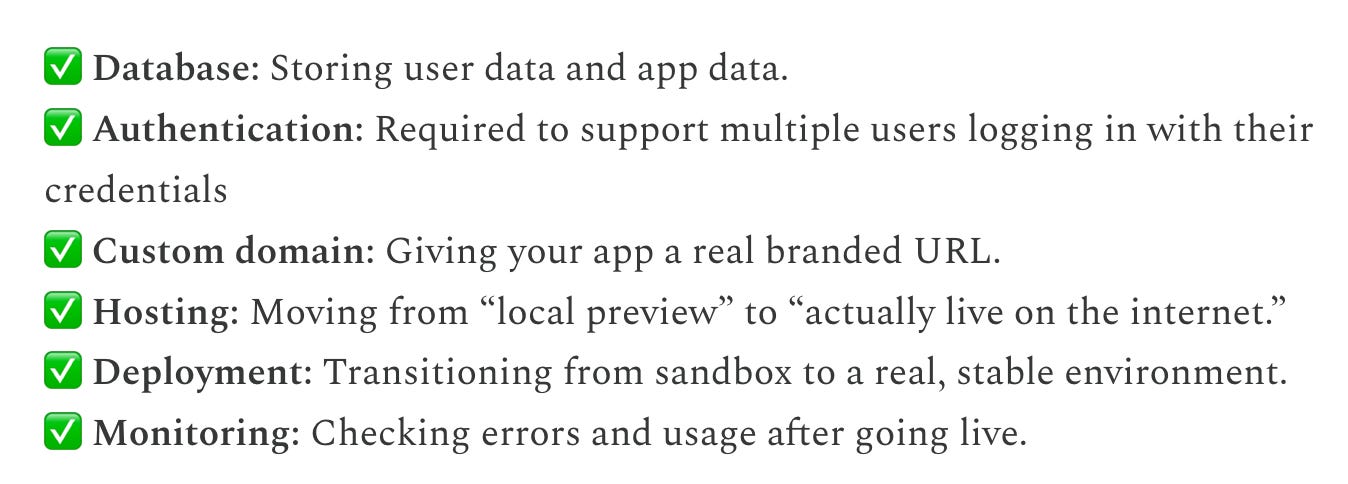
What I built
Long story short, I had a ton of fun building it. I deployed the app and eventually added a few Chrome extensions as distribution channels.
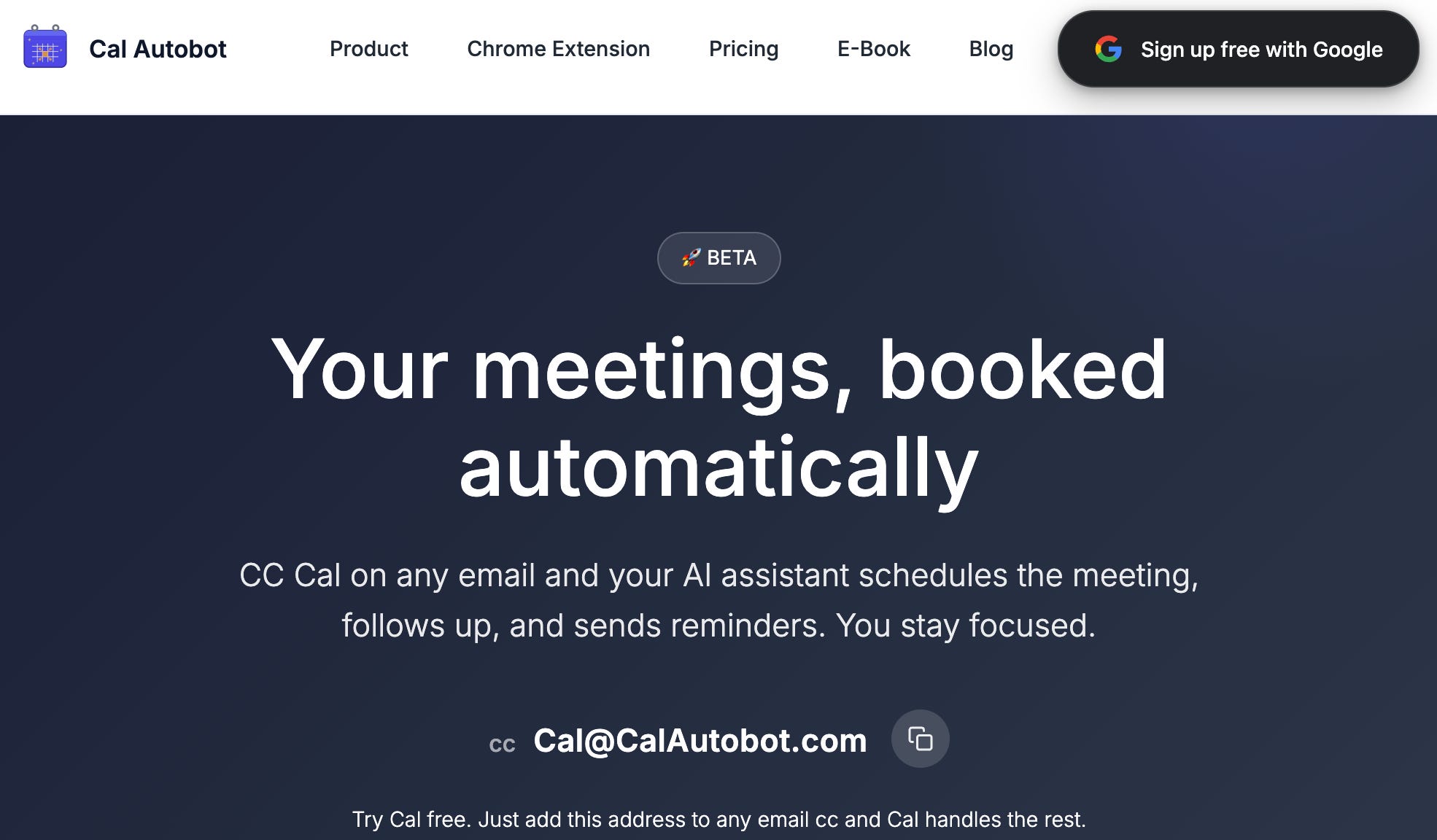
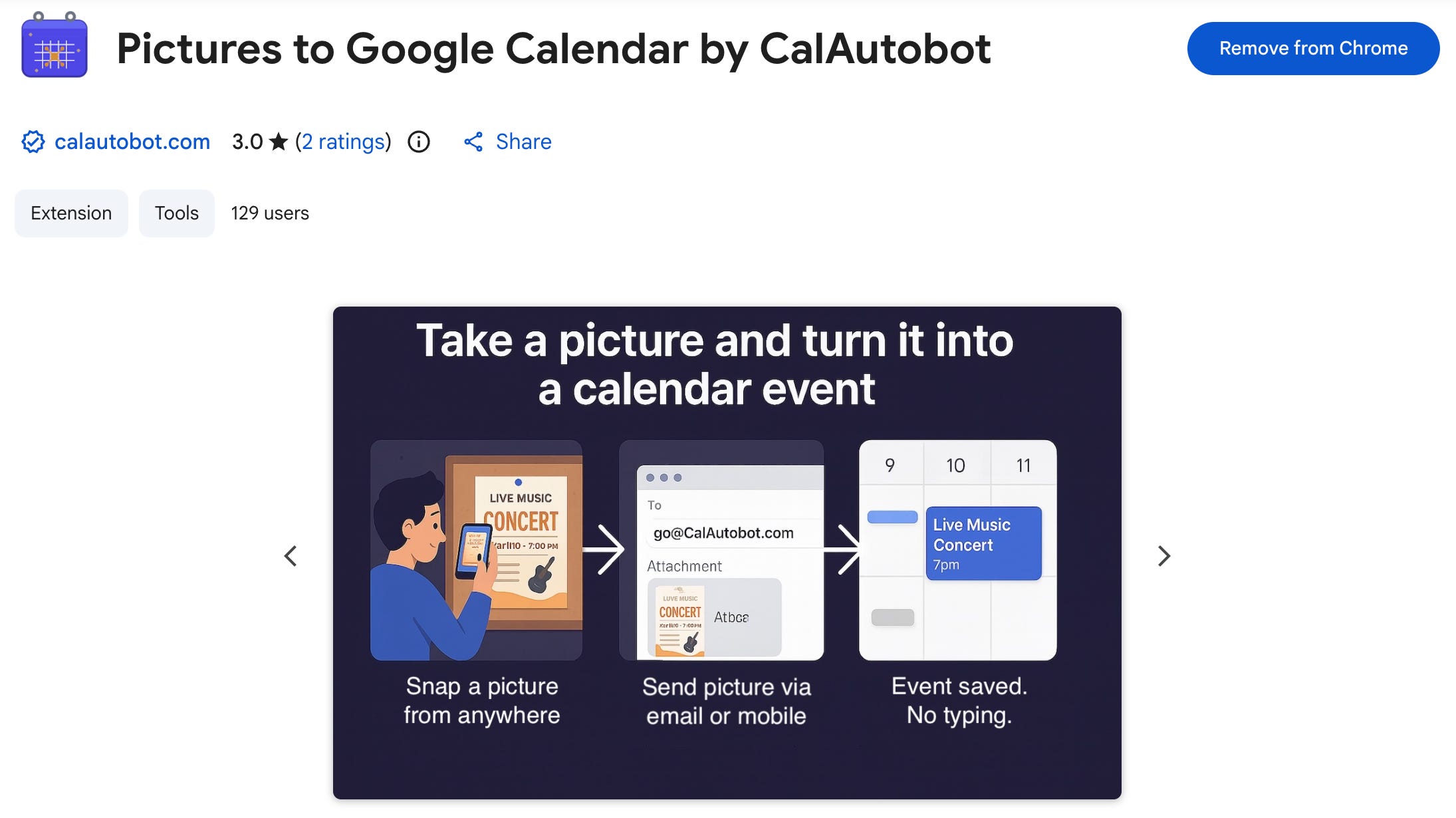
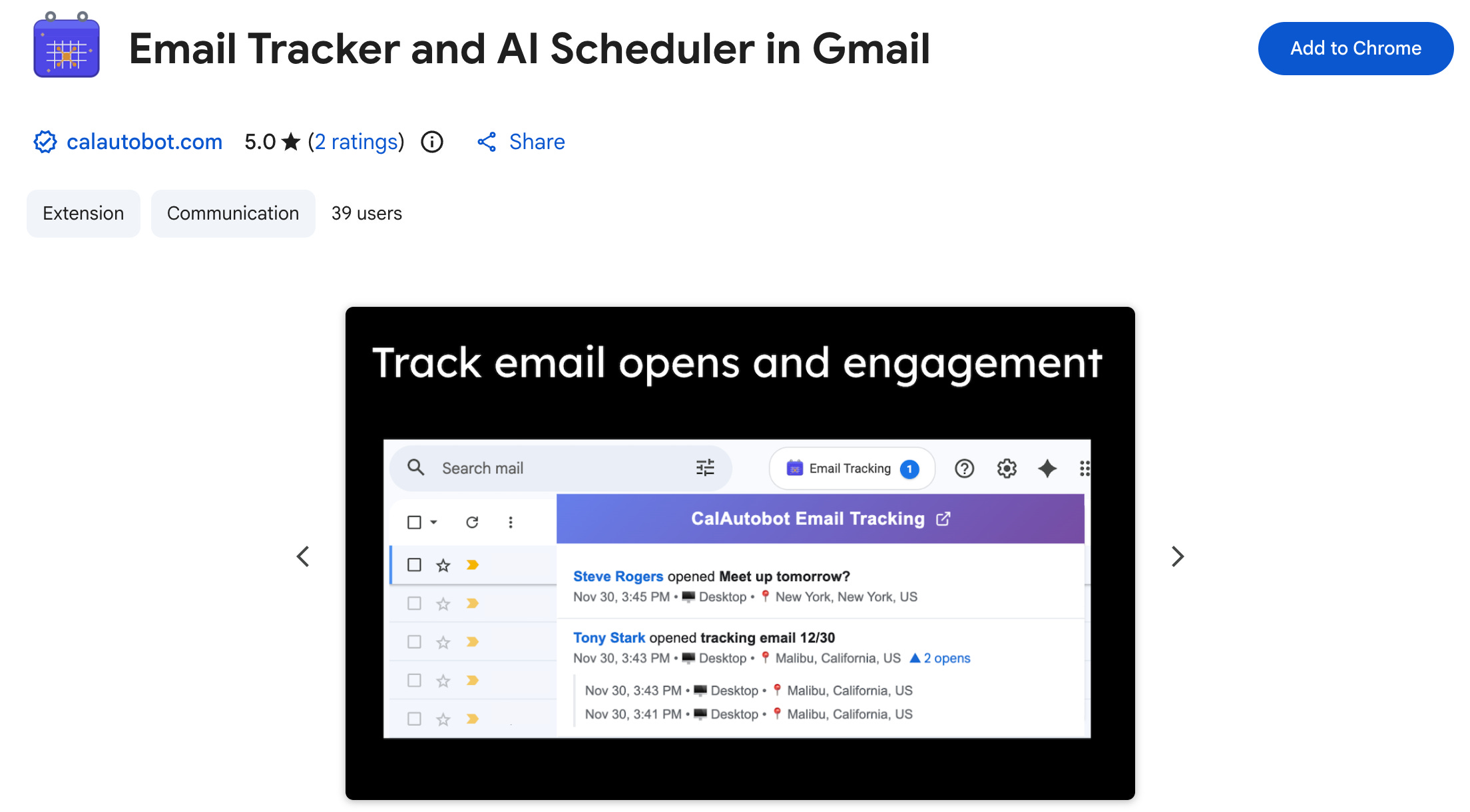
Building the main app alone would have taken me at least three months full-time before AI, but I built a prototype in a day, basically by feeding AI screenshots of Calendly and then figuring out the AI parts myself.
But the problem isn’t anyone can use AI agents to code SaaS. The problem is who needs a single-purpose SaaS anymore, when everyone has capable AI personal assistants.
Why SaaSpocalypse for SMBs and prosumers is real
Unless a SaaS has a vibrant ecosystem, proprietary data or deeply embedded workflows in an organization, there is not really a moat against AI. Building SaaS for prosumers or SMBs used to be one of the best ways to start a software company: find a painful workflow, build a focused product, slap PLG on it, and grow from there.
That playbook breaks today.
This weekend, I tried Meta Muse, one of the best consumer AI agents I’ve tried so far. It’s an “OpenClaw moment” for consumers. I’d say Grok Bot came close, but it’s not free and it’s more like a coworker than personal assistant.
The onboarding is ridiculously easy with Muse as well. In less than 30 seconds, I got started for free with intuitive user interactions and super generous usage. Since Meta already has my personal info anyway, what’s the harm to connecting my email and calendar 😀.
The big revelation is the breadth of things I can ask Muse to do without feeling like a chatbot or “work mode” in ChatGPT. A general-purpose agent can now do pieces of what hundreds of point-solution startups have built entire companies around: scheduling, research, filling out forms, dealing with customer service, negotiating bills, organizing email, managing calendars, and increasingly taking actions across the web.
Just last month, AI was mainly for nerds and developers, but now that Meta lowered the technical bar for everyone, and I can actually see a plethora of mass-market, consumer use cases.


What I’d build next
This is the part that depresses me.
CalAutobot.com works. It solves a real problem. I spent a ton of time polishing it. A few years ago, it might have been the beginning of a perfectly reasonable SaaS business.
Today, I decided to finally end-of-life CalAutobot. General purpose AI like Muse and Instinct can do hundreds of things so well, and scheduling meetings is no longer a product by itself.
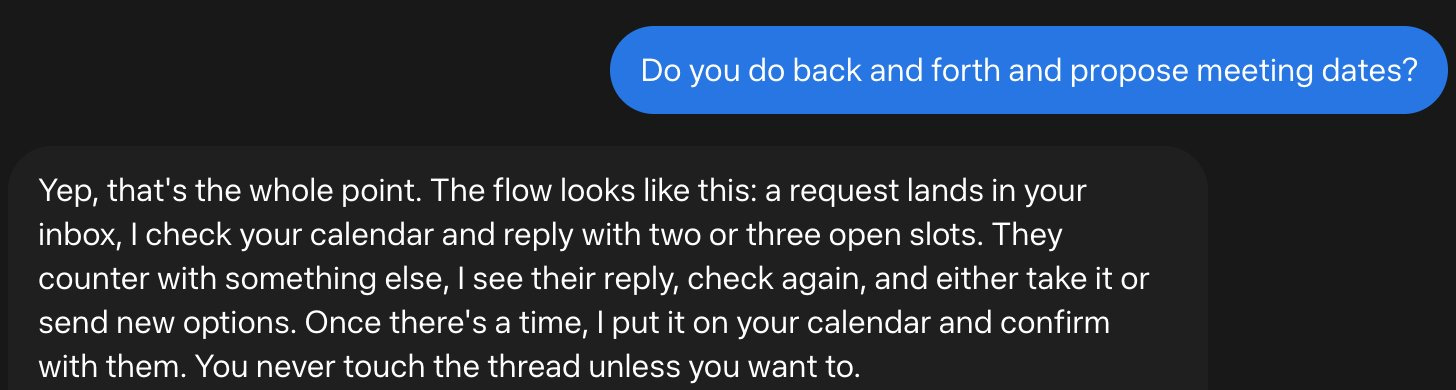
Build something agents want.
If Muse, ChatGPT, Claude, or whatever agent wins can act on behalf of millions of users, their connector and tool ecosystems become the new distribution channels.
Forget UI (user interface), think Agent Interface (coining AI x AI). UI is for user-in-the-loop governance and visualizating dashboards, not for interacting with your app.
The cost of building is basically zero. It’s also why I’ve never been more excited to be a builder. But the hard part is figuring out what is still worth building.
For nerds who want to play with it, here’s the repo.